3rd Edition of International Obesity and Metabolism Conference 2027
Speakers - iomc2026
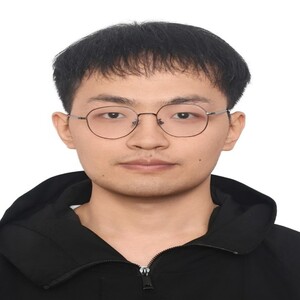
Jing Jiang
Jing Jiang
- Designation: Shanghai University of Traditional Chinese Medicine
- Country: China
- Title: Acupuncture Regulates Obesity-Related Emotional Disorders Through the Brain–Gut Axis: Potential Mechanisms
Abstract
Obesity and its comorbid emotional disorders, such as anxiety and depression, are increasingly linked by a common pathological thread: dysregulation of the brain–gut axis. This bidirectional network, integrating neural, immune, and endocrine signaling, is essential for maintaining both metabolic and emotional homeostasis. Acupuncture is widely used as a complementary therapy for metabolic and neuropsychiatric conditions, yet the mechanisms underlying its effects on obesity-related emotional disorders remain incompletely understood. Here, we propose that acupuncture alleviates these emotional disturbances by remodeling the gut microbiota and its metabolic output along the brain–gut axis. Specifically, acupuncture stimulation is hypothesized to shift gut microbial composition toward a profile that enhances production of beneficial metabolites, particularly short-chain fatty acids (SCFAs). These metabolites act as key messengers, strengthening intestinal barrier integrity, reducing systemic inflammation, and suppressing neuroinflammatory responses in the central nervous system. Through this hierarchical cascade—from peripheral microbial changes to central immune modulation—acupuncture helps restore neurotransmitter balance and improve emotional regulation. This mechanistic framework not only highlights acupuncture as a promising integrative intervention but also identifies the gut microbiota–SCFAs–neuroinflammation axis as a core therapeutic target. By delineating this pathway, we provide a testable hypothesis for future mechanistic studies and underscore the potential for developing microbiome-guided or acupuncture-based strategies in managing obesity-related emotional comorbidities.
3rd International Obesity and Metabolism Conference (IOMC) 2027
Th ...
Read More>>
Organizer
