3rd Edition of International Obesity and Metabolism Conference 2027
Speakers - iomc2026
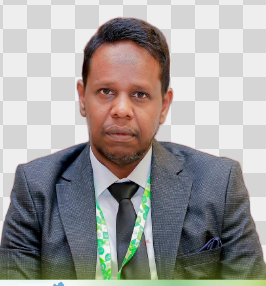
Yusuf Ahmed Ali
Yusuf Ahmed Ali
- Designation: University of Burao
- Country: Somaliland
- Title: The Role of Health Partnerships in Strengthening Health Systems across the Horn of Africa (HoA) for Better Management of Non-Communicable Diseases: Lessons from the Wolverhampton-Somaliland Global Health Partnership
Abstract
Non-communicable diseases (NCDs) are rapidly emerging as major causes of morbidity and mortality across the Horn of Africa, compounding persistent infectious diseases, humanitarian crises and fragile health systems. This paper examines the growing NCD burden in Djibouti, Eritrea, Ethiopia, Somalia and Somaliland, and analyses the role of health partnerships in strengthening health systems for prevention and long-term management of chronic conditions. It highlights how partnerships involving governments, multilateral agencies, academia, civil society, humanitarian actors and the private sector have supported governance, workforce development, service integration into primary health care, access to medicines, surveillance and financing reforms. However, many initiatives remain fragmented, short-term and urban-focused, with limited national ownership and sustainability. Using regional evidence and a detailed case study of the Wolverhampton–Somaliland Health Partnership, the paper identifies practical lessons for designing more equitable, integrated and durable partnerships. It concludes that NCD-focused partnerships must be embedded within national strategies, prioritise primary health care, strengthen data systems and financing, and enhance resilience in fragile and crisis-affected settings.
3rd International Obesity and Metabolism Conference (IOMC) 2027
Th ...
Read More>>
Organizer
